Einkorn Bread Recipe
 3/4 C Warm Water (110°F)
1/2 C Whole Milk
2 Tbs Melted Butter
2 Tbs Honey
1 1/2 Tsp Dry Active Yeast
3 3/4 C All Purpose Einkorn Flour
Pinch of Redmond’s Real Salt
3/4 C Warm Water (110°F)
1/2 C Whole Milk
2 Tbs Melted Butter
2 Tbs Honey
1 1/2 Tsp Dry Active Yeast
3 3/4 C All Purpose Einkorn Flour
Pinch of Redmond’s Real Salt
Affiliate Disclosure: This post contains affiliate links. If you click on one of these links and make a purchase, I may receive a small commission at no extra cost to you. This helps support the blog and allows me to continue creating free content. Thank you for your support!
 The full Recipe:
1 Cup Coconut Oil
1 Cup Arrowroot Powder
1/2 Cup Redmond Clay
2 Tablespoons Redmond’s Real Salt
3-4 teaspoons Beeswax (optional)
5-10 Drops Essential Oil (Optional)
Affiliate Disclosure: This post contains affiliate links. If you click on one of these links and make a purchase, I may receive a small commission at no extra cost to you. This helps support the blog and allows me to continue creating free content. Thank you for your support!
In the world of health foods, “ancient grains” is a term often thrown around, but one grain stands truly apart as the ancestor of them all: Einkorn. Whether you’re looking to heal your gut, boost your nutrition, or simply get back to a more traditional way of eating, Einkorn is a game-changer. If you’re ready to upgrade your pantry, you can find the highest quality products through Sherrie’s Remedy Room at AncientGrains.com.
Here is everything you need to know about this “Staff of Life” and why it deserves a spot in your kitchen.
Einkorn (German for “single grain”) is the most ancient variety of wheat known to man. Unlike modern wheat, which has been hybridized and genetically altered over centuries to increase yields and gluten strength, Einkorn remains exactly as it was 10,000 years ago.
While modern wheat is a “hexaploid” (meaning it has 42 chromosomes), Einkorn is a “diploid” with only 14 chromosomes. This genetic simplicity is exactly why so many people who struggle with modern wheat find they can enjoy Einkorn without issue.
The biggest draw for most people is that Einkorn contains a completely different type of gluten. It lacks the “D-genome” found in modern wheat—the part often linked to gluten sensitivity. Because the gluten structure is weak and water-soluble, your body can break it down much more easily. (Note: It still contains gluten, so it is not suitable for those with Celiac disease).
Compared to modern wheat, Einkorn is significantly more nutrient-dense:
Protein: Contains about 30% more protein than modern wheat.
Antioxidants: High levels of Lutein (great for eye health) and Beta-Carotene.
Minerals: Higher in Zinc, Iron, Manganese, and Magnesium.
Essential Fatty Acids: Richer in the “good fats” your brain and heart need.
If you’re watching your blood sugar, Einkorn is a fantastic choice. Its complex carbohydrates break down slowly, providing sustained energy without the “sugar crash” often associated with white flour products.
Einkorn grows with a tight outer husk (hull) that naturally protects the grain from pests and environmental pollutants. This makes it much easier to grow organically without the need for harsh pesticides or chemical fertilizers.
Modern flour is often bland, but Einkorn has a rich, nutty, and slightly sweet flavor. It creates a beautiful golden-hued loaf of bread or batch of cookies that tastes like “real” food.
If you’re used to modern “all-purpose” flour, baking with Einkorn requires a slight shift in technique:
Don’t Over-Knead: Because the gluten is weak, over-kneading will make the dough sticky rather than stretchy.
Less Liquid: Einkorn absorbs liquid slower than modern wheat. Often, you’ll want to reduce the liquid in your favorite recipes by about 15-20%.
Let it Rest: Give your batter or dough a few extra minutes to hydrate before popping it in the oven.
If you want to ensure you are getting pure, non-GMO, and expertly handled ancient grains, I highly recommend ordering through AncientGrains.com. They are dedicated to preserving these heritage seeds and to providing the highest-quality flour, berries, and pasta.
👉 Shop for your health: AncientGrains.com – Sherrie’s Remedy Room
The Bottom Line: You don’t have to give up bread to be healthy—you just have to eat the bread your ancestors ate. Try Einkorn today and feel the difference!
I’d love to hear from you! Have you already made the switch to Einkorn, or are you just beginning your journey into the world of ancient grains?
Tell me in the comments below:
What is your biggest struggle with modern wheat?
If you’ve baked with Einkorn before, what’s your favorite thing to make? (I’m always looking for new recipe inspiration!)
Do you have any questions about how to swap Einkorn into your favorite family recipes?
Don’t forget to head over to Sherrie’s Remedy Room at AncientGrains.com to grab your first bag of flour or grain berries. Let’s bring real bread back to the table together!
At Sherrie’s Remedy Room, we practice honest herbalism.
Herbs aren’t magic. They aren’t overnight fixes. And they don’t replace medical care when it’s needed. What they do offer is steady, time-tested support that works with the body—not against it.
This matters—especially when it comes to topical herbal remedies like salves.
Herbs work by supporting systems already in place—circulation, inflammation response, the nervous system, and skin health.
Topical herbal salves work locally, supporting the body exactly where they’re applied.
👉 Explore our small-batch herbal salves made for targeted support On our site
Herbal salves don’t numb or override the body. They support circulation, soothe tissue, and encourage the body’s natural healing response.
This means:
Consistent use matters
Results improve over time
No harsh “burn” or chemical masking
👉 See our most-used herbal salves for daily support Best-selling
Well-formulated herbal salves may help:
Ease sore muscles and joints
Support circulation
Calm inflammation
Nourish dry or stressed skin
They do not “cure” conditions—but they can make the body more comfortable while healing happens.
👉 Our Pain Relief Spray is crafted for muscle and joint support using traditionally trusted herbs.
Topicals are one piece of the puzzle. Stress, hydration, diet, and movement all matter.
That’s why we don’t just sell products—we offer guidance.
👉 Not sure which salve fits your needs?
1-on-1 Herbal Consultation
False.
Herbal salves don’t need harsh sensations to be effective. Gentle warmth or relief is normal—pain is not.
👉 Our salves are formulated for comfort, not shock
Our Shop
Bodies are different. Circulation, skin health, and frequency of use all impact results.
This is where personalized guidance helps.
👉 Book a consultation for personalized herbal support
Consultation booking
Using more than needed doesn’t speed things up—it wastes product and can irritate the skin.
Consistency beats excess every time.
We don’t sell fear.
We don’t sell miracle cures.
We don’t overpromise.
We focus on:
✔ Carefully formulated herbal salves
✔ Education over exaggeration
✔ Personalized herbal consultations
✔ Supporting the body—not overpowering it
Targeted, small-batch salves crafted to support muscles, joints, circulation, and skin health.
👉 Our Shop
Get guidance tailored to your body, lifestyle, and concerns—no guesswork.
👉 Consultation booking page
We will give you 5 free seeds for just sharing your email.
For every $2 you spend on our site, you get 1 seed. Seeds can be used towards future purchases.


 Ingredients
* 1 lb Spicy Italian Sausage (ground or removed from casings)
* 6 slices Bacon, chopped
* 1 large White Onion, diced
* 3–4 cloves Garlic, minced
* 6 cups Chicken Broth (low sodium preferred)
* 2 cups Water
* 3–4 medium Russet Potatoes, thinly sliced (half-moons)
* 2 cups Kale, roughly chopped (stems removed)
* 1 cup Heavy Whipping Cream
* Garnish: Grated Parmesan cheese and red pepper flakes
 Instructions
1. Brown the Meats
In a large pot or Dutch oven over medium-high heat, cook the chopped bacon until crisp. Use a slotted spoon to remove the bacon and set it aside on a paper towel, leaving about 2 tablespoons of fat in the pot. Add the sausage to the same pot, breaking it up as it browns. Once cooked through, remove the sausage and set aside with the bacon.
2. Sauté Aromatics
In the remaining fat, add the diced onion and cook for 5 minutes until translucent. Stir in the minced garlic and cook for just 1 minute until fragrant.
3. Simmer the Potatoes
Pour in the chicken broth and water. Add the sliced potatoes. Bring to a boil, then reduce heat to a simmer. Cook for about 15–20 minutes, or until the potatoes are fork-tender.
4. Finish and Serve
Stir in the cooked sausage, bacon, and chopped kale. Pour in the heavy cream. Let the soup simmer for another 3–5 minutes until the kale is wilted and the soup is heated through.
Season with salt and pepper to taste. Top each bowl with a sprinkle of Parmesan cheese and extra red pepper flakes if you like it spicy.
 Quick Tips
* Potato Texture: Slice the potatoes very thin (about 1/4 inch). This allows some to break down slightly, naturally thickening the broth.
* Kale Timing: Add the kale at the very end to keep it bright green; it only takes a few minutes to soften.
* Storage: This soup tastes even better the next day! It stays fresh in the fridge for up to 3 days.
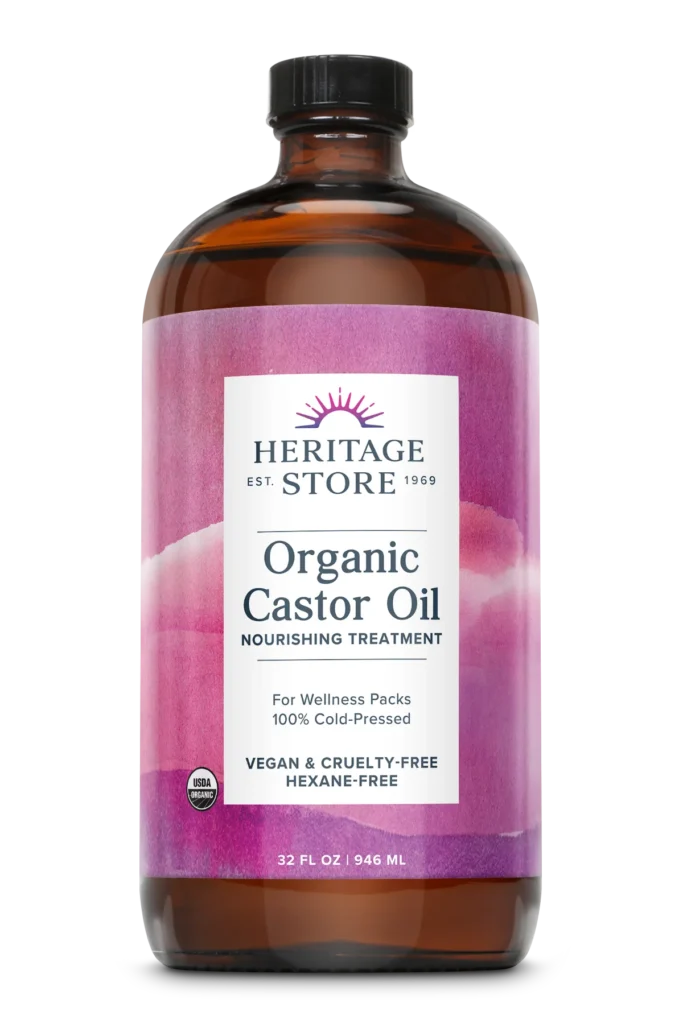
A quiet powerhouse for skin, hair, and everyday wellness
Castor oil isn’t trendy. It’s effective. For generations, it’s been a staple in traditional wellness routines—and when you choose organic, cold-pressed castor oil, you’re getting the cleanest, most versatile version of it.
Here’s why organic castor oil earns its keep.
Organic castor oil is rich in ricinoleic acid, a fatty acid that penetrates deeply instead of just sitting on the surface. That makes it especially useful for:
Dry or cracked skin
Elbows, heels, and cuticles
Lips and under-eye areas
Because it’s thick and slow-absorbing, a little goes a long way. No fillers. No synthetic fragrance. Just real moisture.
If you’re dealing with dryness, breakage, or a stressed-out scalp, castor oil pulls its weight.
Helps seal in moisture along the hair shaft
Supports scalp circulation when massaged in
Reduces the look of flaking and dryness
Many people use it on brows, lashes, and edges for the same reason: consistency over hype.
Organic castor oil has natural cleansing properties, which is why it’s often used in oil-cleansing routines.
Helps dissolve buildup and impurities
Supports balanced skin without stripping
Useful for acne-prone or sensitive skin when used correctly
The key is organic and cold-pressed—low-quality oils can clog pores or irritate skin.
Castor oil packs are a long-standing traditional practice used to support relaxation and overall comfort.
Commonly applied to the abdomen or joints
Often used during rest or evening routines
Valued for its warming, grounding feel
While not a medical treatment, many people swear by the ritual alone.
Organic castor oil means:
No chemical solvents
No hexane extraction
No genetically modified seeds
Cold-pressed oils retain their natural compounds and are safer for regular, multi-use applications—especially on skin.
This is where castor oil really shines:
Skin moisturizer
Hair and scalp oil
Lash and brow care
Nail and cuticle oil
Oil cleansing
DIY balms and salves
Minimal products. Maximum use. That’s smart wellness.
For skin: Apply a pea-sized amount to damp skin
For hair: Mix with a lighter oil (like jojoba) for easier application
For packs: Use organic cotton or flannel, apply oil, cover, and rest
Always patch test—natural doesn’t mean reckless.
Organic castor oil isn’t flashy. It’s foundational.
When you choose a clean, organic, cold-pressed castor oil, you’re choosing a product that does what it’s supposed to do—quietly, consistently, and without compromise.
Sometimes the old remedies stick around for a reason.
A Simple Seed-Starting Guide for a Strong Growing Season
If you’re gearing up for a new season in the garden, now’s the time to get your plan together. Whether you’re growing in raised beds, containers, or right in the ground, a little prep upfront saves a whole lot of frustration later. Around here at Black’s Tropical, we grow with intention — and we get a ton of our seeds from Baker Creek Heirloom Seeds. They recently shared a helpful planting guide that lines up perfectly with what we teach and what we do, so today we’re breaking it down in a simple, no-nonsense way to help you get started.
Garden success starts long before the first seed goes in the soil. Every variety has its own timing, light needs, spacing, and temperature requirements — and ignoring those details is the fastest way to waste seeds and time.
Cool-weather crops like lettuce, radishes, and carrots can be sown directly and will forgive a later start. But warm-season favorites — peppers, tomatoes, eggplant, squash — need a little more love and a lot more patience. These heat-lovers won’t tolerate cold soil or frost, so you’ll want to start them indoors and transplant when the weather stabilizes.
Planning isn’t about overthinking. It’s about giving each plant what it needs so it can give you everything it’s got.
If you’re starting seeds inside, skip the garden soil completely. Use a light, airy seed-starting mix so those new roots can breathe. Cover your seeds lightly — most don’t need more than a dusting of soil — and keep everything evenly moist. A humidity dome or clear cover helps until germination.
As soon as the seedlings emerge, give them strong light. A sunny window works for some people, but grow lights make a noticeable difference — short, strong seedlings grow into sturdy, productive plants. Keep the lights just a few inches above the seedlings and run them 14–16 hours a day.
Once your seedlings develop their first true leaves, you can start feeding lightly and transplant into bigger pots when they feel crowded.
Transplant shock is real, and it will stall your plants for a week or more if you skip this step. Before planting outside, bring your seedlings outdoors gradually — an hour or so the first day, then more each day for about a week. This strengthens the stems, toughens the leaves, and prepares them for real sunlight and wind.
Spacing matters, too. Overcrowded plants compete for nutrients and airflow, and that invites pests and disease. Give each variety the room it needs to breathe and sprawl. You’ll get stronger plants and a bigger harvest with far less work.
Don’t sleep on summer and fall planting. A lot of gardeners wrap up after their spring harvest, but you can absolutely extend your season with a mid-summer or early-fall garden. Many crops thrive in cooling temperatures and shorter days — and a second round of planting keeps those beds productive well into autumn.
Harvest early and often if you want tender greens and the sweetest roots. For storage crops like winter squash and potatoes, let them fully mature. Anything you don’t eat fresh can be frozen, canned, or dehydrated to keep your pantry stocked through winter.
If you’re saving seeds, stick to one variety per species unless you’re intentionally hybridizing. Tomatoes, beans, and lettuces are some of the easiest plants to save seed from, and it’s one of the best ways to build garden resilience year after year.
We love experimenting and sharing our own methods, but credit where it’s due — Baker Creek’s planting guide is a solid resource for gardeners of any level. It breaks down timing, spacing, indoor-starting basics, and more. If you want to dive deeper into their full recommendations, check out the guide here:
👉 Baker Creek Heirloom Seeds Planting Guide
https://www.rareseeds.com/planting-guide
Your email address will not be published. Required fields are marked *

A gentler way to care for yourself—rooted in the earth, made with intention.
There comes a point where “more” stops being better. More noise. More claims. More labels shouting for attention. Sherrie’s Remedy Room was created as a quiet alternative to all of that—a return to simple, thoughtful, comfort-driven herbal care made by someone who actually grows and knows the plants she works with.
This isn’t mass-produced. It’s not rushed. And it’s definitely not trendy for the sake of being trendy.
Sherrie’s Remedy Room is a small herbal homestead based in Savannah, Georgia, where products are crafted in small batches using herbs grown on-site or sourced with full transparency. Every formula is built around one core idea: support the body gently and consistently, without overwhelm.
No hype. No harsh claims. Just honest herbal care you can feel good about using in your everyday life.
From the ground up—where healing actually begins.
At the heart of Sherrie’s Remedy Room is a new foundational product line called Soil To Remedy.
Soil To Remedy is exactly what it sounds like: remedies that begin in the soil and end in your hands, without unnecessary detours along the way. This line focuses on whole-plant herbal preparations—salves, oils, creams, and body care—designed to support comfort, recovery, and daily wellness.
What makes Soil To Remedy different isn’t flashy packaging or miracle promises. It’s the process.
Herbs are grown, harvested, and handled with care
Recipes are time-tested and intentionally simple
Products are made to be used regularly, not sparingly
Every item is crafted with respect for both the plant and the person using it
This line exists for people who want to know what they’re putting on their body and why—and who value steady support over quick fixes.
Soil To Remedy products are designed to fit seamlessly into real life. That means:
Comfort-first formulas – made for sore muscles, tired joints, dry skin, and everyday wear and tear
Clear ingredients – no filler, no mystery blends, no overcomplication
Gentle, effective use – suitable for daily routines
Consistency in design – labels and packaging that stay calm, clean, and recognizable across the entire line
These are products meant to be reached for again and again—the kind you keep on the counter, not hidden in a cabinet.
One of the core values behind Sherrie’s Remedy Room is education. You’ll see that reflected not just in the products, but in the way they’re shared.
This brand believes you should understand:
what an herb does
how to use a product properly
when something is supportive vs. when it’s time to seek professional care
There are no exaggerated claims here—only grounded guidance and honest conversation about herbal support as part of a bigger wellness picture.
Sherrie’s Remedy Room isn’t trying to be everything to everyone. It’s built for people who want slower, steadier, more intentional care—and who value trust over trends.
Whether you’re exploring herbal remedies for the first time or looking for a more grounded alternative to what’s already on your shelf, you’re welcome here.
This is just the beginning.
As Soil To Remedy continues to grow, you can expect:
thoughtfully expanded product offerings
educational resources and workshops
continued transparency in sourcing and process
From soil to remedy—this is herbal care done the right way.
Welcome to Sherrie’s Remedy Room.
Your email address will not be published. Required fields are marked *